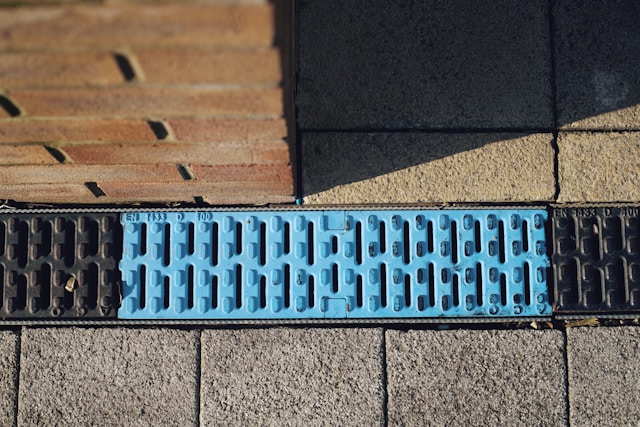
British Columbia homeowners face different drainage problems depending on where they live. Coastal communities such as Vancouver, Coquitlam, Victoria, and Nanaimo often deal with long periods of rain. Interior and northern communities may face frozen ground, heavy snow, and fast spring melt. Wildfire-affected areas can also experience rapid runoff when rain falls on dry or damaged soil.
A seasonal drainage maintenance checklist helps you address these risks before water pools beside the foundation, spills over the gutters, or enters the basement. Regular gutter cleaning, downspout maintenance, storm drain cleaning, catch basin care, and perimeter drain inspections can prevent many common drainage problems.
Why Seasonal Drainage Maintenance Matters in BC
Your drainage system includes more than the gutters along your roof. Rainwater may move through gutters, downspouts, surface drains, catch basins, underground pipes, perimeter drains, swales, and sump pumps. If one part becomes blocked or damaged, water can back up somewhere else.
Managing rainwater on private property can help reduce flooding, water damage, soil erosion, and pressure on municipal drainage systems. Homeowners should regularly clean gutters, keep nearby storm drains clear, direct water away from the foundation, and maintain emergency supplies.
| Season | Common Risks | Priority Tasks |
|---|---|---|
| Spring | Snowmelt, saturated soil, and winter damage | Inspect downspouts, test sump pumps, and check grading |
| Summer | Dry debris, sudden storms, and erosion | Clear surface drains and review runoff routes |
| Fall | Leaves, needles, and heavy rain | Clean gutters, flush downspouts, and clear catch basins |
| Winter | Ice, snow buildup, and frozen outlets | Keep drainage outlets open and move snow away from the foundation |
Spring Drainage Maintenance Checklist
Spring is the best time to find damage caused by snow, ice, wind, and freezing temperatures. It is also when saturated soil can expose weak points around your foundation.
Clean and Inspect Your Gutters
Remove leaves, twigs, moss, roof grit, and other debris from your gutters. Look for loose fasteners, separated joints, corrosion, sagging sections, and stains on the fascia.
Run water through the gutter to confirm that it flows toward the downspout instead of collecting in low areas. Water that remains in the gutter may indicate poor positioning or a sagging section.
Hire a professional when the roofline is high, steep, or difficult to reach safely. A blocked gutter should never be more important than your personal safety.
Check Downspouts and Extensions
Make sure each downspout is securely connected and free of clogs. Water should discharge away from the house without eroding the soil or flowing toward a neighbouring property.
Where the property layout allows, downspout extensions should carry water at least two metres away from basement walls and the foundation.
Watch the outlet during rainfall. Water that backs up, leaks from a joint, or barely exits may indicate a blockage in the downspout or underground drainage line.
Test the Sump Pump
Pour water into the sump pit until the float activates. Confirm that the pump starts, removes the water, and shuts off correctly.
Check the exterior discharge line for blockages, cracks, freezing, or other damage. The outlet should send water away from your home rather than allowing it to flow back toward the foundation.
A battery backup or high-water alarm may be useful when your basement depends heavily on the sump pump.
Inspect the Foundation
Walk around your home and look for signs of drainage problems, including:
- Standing water
- Soil settlement
- Damp basement walls
- Musty smells
- Water stains
- Cracks near ground level
- Erosion below downspouts
These warning signs may point to poor grading, damaged waterproofing, clogged perimeter drains, or inadequate drainage around the property.
Summer Drainage Maintenance Checklist
BC summers can include long dry periods followed by sudden storms. Compacted soil may absorb water slowly, while landscaping projects can unintentionally redirect runoff toward the home.
Review Your Yard Grading
The soil beside the foundation should direct water away from the house. Fill minor low spots without covering siding, vents, drainage openings, or the bottom of exterior walls.
Check patios, driveways, walkways, and retaining walls for settlement that sends water toward the building.
Recurring water pooling may require a more complete yard drainage solution, such as:
- Regrading the property
- Installing a drainage swale
- Adding a French drain
- Installing a catch basin
- Using permeable paving
- Adding underground drainage pipes
The right option depends on your property’s slope, soil conditions, boundaries, existing drainage system, and local municipal requirements.
Clear Catch Basins and Storm Drains
Remove leaves, litter, gravel, grass clippings, and loose sediment from visible drain grates. Do not push the material farther into the drain.
If the grate is clear but water still drains slowly, the blockage may be inside the catch basin or connecting pipe. Sediment, mud, roots, and compacted debris can restrict water flow below the surface.
Property owners dealing with recurring pooling or sediment buildup may need professional storm drain cleaning services in Coquitlam, BC. Vacuum equipment, hydro jetting, and camera inspections can remove or locate material that cannot be reached safely from the surface.
Control Soil Erosion
Check for bare soil below downspouts, along slopes, and beside driveways. Use suitable ground cover, mulch, stone, or erosion-control materials where runoff is washing soil away.
Keep loose soil, mulch, and landscaping material away from storm drains. Material that looks harmless in the yard can create a serious blockage once it enters a catch basin or underground pipe.
Fall Drainage Maintenance Checklist
Fall is the most important drainage maintenance season for many Lower Mainland and Vancouver Island homes. Leaves, evergreen needles, roof moss, and wind-blown debris can block gutters and surface drains before prolonged rain begins.
Clean the Gutters Again
A single early-fall gutter cleaning may not be enough if large trees surround your home. Inspect the gutters after the main leaf drop and after major windstorms.
Gutter guards can reduce larger debris, but they do not eliminate maintenance. Fine needles, moss, dirt, and roof grit can still collect on top of or beneath the guards.
Flush the Downspouts
After cleaning the gutters, use a controlled flow of water to test each downspout.
If a downspout is blocked, clear accessible sections carefully. Avoid forcing tools into concealed piping because you could damage a connection or push the clog deeper into the line.
A blockage may require professional attention when:
- Water flows back toward the gutter
- The underground connection overflows
- The downspout repeatedly clogs
- Water appears in an unexpected area
- The buried pipe may be crushed or damaged
Check Storm Drains Before Heavy Rain
Keep private catch basins and storm drain grates visible and clear. Check them before heavy rain and again after major windstorms.
If a public street drain is covered by leaves, follow your municipality’s guidance rather than entering traffic or lifting a heavy grate yourself.
A drain that was clear in the morning can become covered within a few hours when leaves are falling heavily.
Inspect the Basement and Crawl Space
After the first sustained rainfall, inspect the following areas:
- Floor drains
- Sump pits
- Window wells
- Foundation walls
- Crawl spaces
- Areas around stored belongings
- Basement corners and utility rooms
Place important documents, photographs, electronics, and valuables in watertight containers or on higher shelves. This simple step can limit damage if water enters the space.
Winter Drainage Maintenance Checklist
Winter drainage care varies across British Columbia. Coastal homes often face repeated rain and occasional freezing, while Interior and northern homes may experience deep snow, frozen soil, and rapid thaws.
Keep Snow Away From the Foundation
Avoid piling snow against basement walls, window wells, vents, or downspout outlets. When the snow melts, the water may collect beside the foundation or enter low openings.
Where possible, clear snow approximately one to one-and-a-half metres away from the foundation. Make sure snow piles do not cover surface drains or create barriers that prevent water from reaching them.
Watch for Frozen Downspouts and Ice Dams
A frozen downspout prevents meltwater from leaving the roof drainage system. Ice can build up in the gutter, place additional weight on the system, or force water over the edge.
Do not strike frozen gutters or climb onto an icy roof. Contact a professional if ice creates a safety risk, damages the gutter, or causes water to enter the home.
Inspect the Property During Thaws
A warm spell can release a large amount of water while the ground is still partly frozen. Because the soil cannot always absorb the water quickly, runoff may travel across driveways, lawns, and walkways.
Check whether meltwater reaches the drainage system or collects beside your house. Clear safe and accessible outlet areas before the temperature drops again.
Add First Aid and Mental Health Preparedness
Drainage maintenance reduces risk, but every household should still prepare for severe weather and possible flooding.
Keep the following items in an accessible emergency or grab-and-go bag:
- A first aid kit
- A flashlight
- Spare batteries
- A phone charger and battery bank
- Seasonal clothing
- Drinking water
- Ready-to-eat food
- Personal medications
- Copies of important documents
- A household emergency plan
- Contact information for family members and local authorities
Review your emergency kit regularly and replace expired food, water, medication, batteries, and other time-sensitive supplies.
Flood warnings, property damage, cleanup, and evacuation can also affect mental health. Make a communication plan before an emergency, divide responsibilities among household members, and keep important contact information together.
Look after basic needs, speak with trusted people or professionals, and check on vulnerable members of your community when flood-related stress becomes difficult to manage.
Preparing in advance can reduce uncertainty. When everyone knows where emergency supplies are stored, who will contact family members, and what to do during a flood warning, the household can respond more calmly.
DIY Maintenance vs. Professional Drainage Service
| Task | Usually Suitable for DIY | Call a Professional When |
|---|---|---|
| Removing visible gutter debris | Access is safe and the debris is easy to reach | The roof is steep, high, damaged, or difficult to access |
| Clearing a drain grate | Debris is loose and visible | Water remains slow after the surface is cleared |
| Testing a sump pump | The pump activates and drains normally | It fails, cycles constantly, or cannot keep up |
| Checking yard drainage | You are identifying puddles and erosion | Regrading, excavation, or new drainage installation may be needed |
| Inspecting underground drains | You are checking visible inlets and outlets | Roots, sediment, pipe collapse, or recurring backups are suspected |
| Repairing a downspout | An exposed fitting is loose | The blockage or damage is underground |
Warning Signs Your Drainage System Needs Attention
Arrange an inspection if you notice any of the following:
- Gutters overflowing during moderate rain
- Downspouts draining slowly or leaking
- Standing water that remains after rainfall
- Erosion or sinking soil beside the foundation
- Damp basement walls
- Recurring musty odours
- Water backing up through a floor drain or catch basin
- A sump pump that runs constantly or does not activate
- Cracked or separated drainage pipes
- Repeated problems in the same area after cleaning
Surveying your property for standing water, cleaning drains and gutters, checking for leaks, and identifying grading or soil problems can help you choose the right repair.
Frequently Asked Questions
How often should gutters be cleaned in BC?
Most homes should have their gutters checked in spring and fall. Properties surrounded by mature trees may need additional cleaning after leaf drop or major windstorms.
How often should storm drains and catch basins be inspected?
Check storm drains and catch basins seasonally and before periods of heavy rain. Cleaning frequency depends on tree cover, nearby construction, soil erosion, traffic, and how quickly sediment collects.
What is the difference between a storm drain and a perimeter drain?
A storm drain collects surface runoff from yards, driveways, roads, or parking areas. A perimeter drain is normally installed around the foundation to manage groundwater and moisture in the surrounding soil.
Can I fix standing water by adding more soil?
Adding soil may correct a minor low spot, but it is not always the right solution. Poorly placed soil can redirect water toward your house, block exterior openings, or create a drainage problem somewhere else.
What causes a storm drain to become blocked?
Storm drains can become blocked by leaves, soil, gravel, mulch, litter, tree roots, construction debris, and sediment. A drain may look clear at the surface while still having a blockage inside the catch basin or underground pipe.
When should I call a drainage professional?
Contact a professional when drainage problems return after cleaning, water backs up through a drain, underground pipes may be damaged, or water is entering your basement or crawl space.
Complete Your Seasonal Drainage Check
Drainage maintenance works best as a routine rather than an emergency response. Inspect the system in spring, prepare surface drainage during summer, remove leaves before fall rain, and monitor snow and ice throughout winter.
Keep a written or digital record of recurring puddles, maintenance work, repairs, and professional inspections. Photos taken during heavy rain can also help a drainage professional understand where the problem begins and how water moves across your property.
A clear gutter, working downspout, open storm drain, and properly graded yard all support the same goal: moving water safely away from your home before it causes damage.